
This Sunday, we welcome Pastor Naylo of Bethel United Methodist Church to preach as part of our Lenten series, All Y’all. He is a gifted communicator and a gracious presence, and we are grateful to receive his voice among us.
But before we say anything else, we begin with grief.
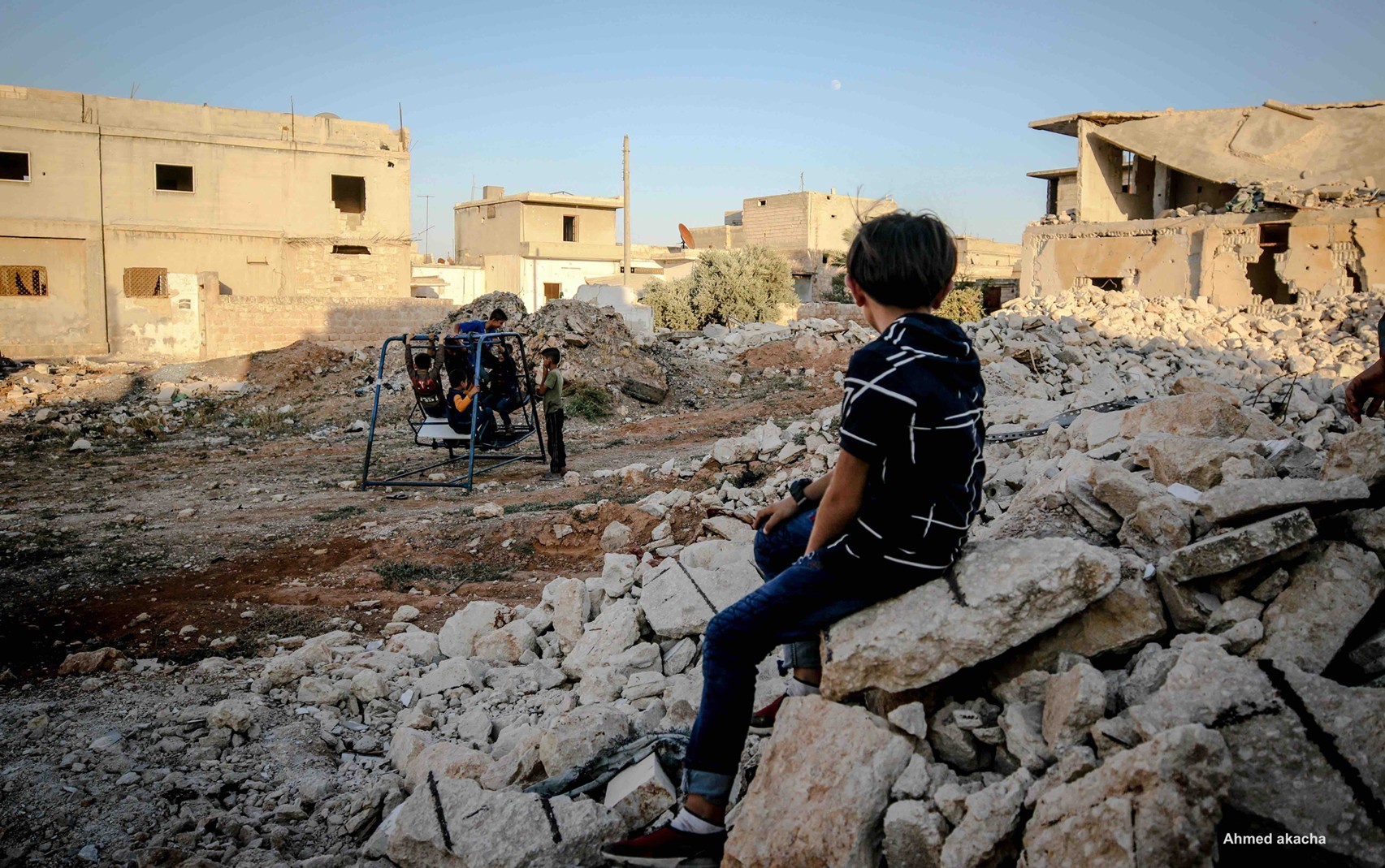
The news of war involving Iran has brought what war always brings: loss of life, terrified families, young soldiers in harm’s way, and civilians caught between forces far larger than themselves. Whatever one’s political convictions, the suffering is real. Mothers are grieving. Children are displaced. Fear is spreading. We pray for those who have died — on all sides — and for those who now live under the shadow of escalation.
The history behind this moment is complex. Decades of hostility in the region. The ongoing tensions between Iran and Israel. Decisions made by leaders under pressure. Commentators will debate strategy, authority, and consequences. Congress will wrestle with its responsibilities.
But beneath all the analysis lies something painfully familiar: retaliation.
One strike answered by another. One refusal met with escalation. One wound revisited through force. The logic is ancient: if you hurt us, we will hurt you back — harder.
Jesus knew that logic well.
“You have heard that it was said, ‘An eye for an eye and a tooth for a tooth.’ But I tell you…” (Matthew 5:38–39)
That ancient command was originally meant to limit violence. It restrained escalation. It said, in effect, You may not take a life for an insult. It was a step toward justice.
But Jesus takes another step. He imagines a community that does more than limit retaliation. He imagines a people who are free from the need to retaliate at all.
This does not mean passivity. It does not mean pretending harm doesn’t hurt. It does not mean abandoning justice or ignoring evil. The call of Christ is never a command to enable abuse.
But it is a call to something deeper than revenge.
Retaliation keeps us chained to the offense. We relive the wound. We rehearse the argument. We sharpen our inner speeches. The one who harmed us may move on, but we remain tethered — bound by the need to settle the score.
You have heard that it was said, “An eye for an eye and a tooth for a tooth.” But I tell you…
Matthew 5:38–39
And when retaliation scales up — from individuals to institutions, from insults to missiles — the damage multiplies.
We have all seen public examples of leaders who appear driven not simply by conviction but by the need to “get back” at critics. When retaliation becomes a governing instinct, loyalty can eclipse truth. Dissent can feel like betrayal. Escalation becomes predictable. And ordinary people pay the price.
The impulse to retaliate often begins as self-protection. But left unchecked, it becomes self-destruction. Families fracture this way. Churches divide this way. Nations weaken this way.
When every disagreement becomes a battle, and every battle must be won, the result is scorched earth. Trust erodes. Collaboration disappears. Fear replaces freedom. Eventually, even allies grow cautious, unsure when they might become the next target.
Jesus offers another way: the courageous refusal to let another person’s sin determine our response.
There is power in absorbing a blow without returning one. Not weakness — power. The power to say, “Your action will not define my character.” The power to interrupt the cycle. The power to create space where something new can emerge.
The cross itself is the ultimate interruption of retaliation. Violence was not returned in kind. Accusation was not met with counter-accusation. Hatred did not get the final word.
In a culture fueled by outrage, this may be one of the most countercultural teachings of Jesus. We are trained to clap back. To defend our tribe. To win the exchange. But the kingdom of God is not built on winning exchanges. It is built on transformed hearts.
What if the church became known — not for how fiercely we defend ourselves — but for how deeply we trust God with our defense?
What if “all y’all” included not only those who agree with us, but those who wound us?
This Sunday, as we welcome Pastor Naylo, we will wrestle together with the difficult and beautiful way of Jesus. Not in theory, but in a world that is living the consequences of retaliation in real time.
We come with grief. We come with anger. We come with questions. And we come asking whether the way of Christ might still be the only path that breaks the cycle.
You can join us each Sunday in person or online by clicking the button on our website’s homepage. Click here to watch. This button takes you to our YouTube channel. You can find more information about us on our website at FlintAsburyChurch.org.
This is a reminder that we publish a weekly newsletter called the Circuit Rider. You can request this publication by email by sending a request to FlintAsburyUMC@gmail.com, or let us know when you send a message through our website. We post an archive of past editions on our website under Connect – choose Newsletters.
Pastor Tommy
Series concept and substantial content created and shared by © The Rev. Jeremy Peters, Court Street United Methodist Church, 2026. Used with permission.
Additional content from: Antoine de Saint-Exupéry. The Little Prince. Translated by Richard Howard. NY: Harper Collins, 2000.